
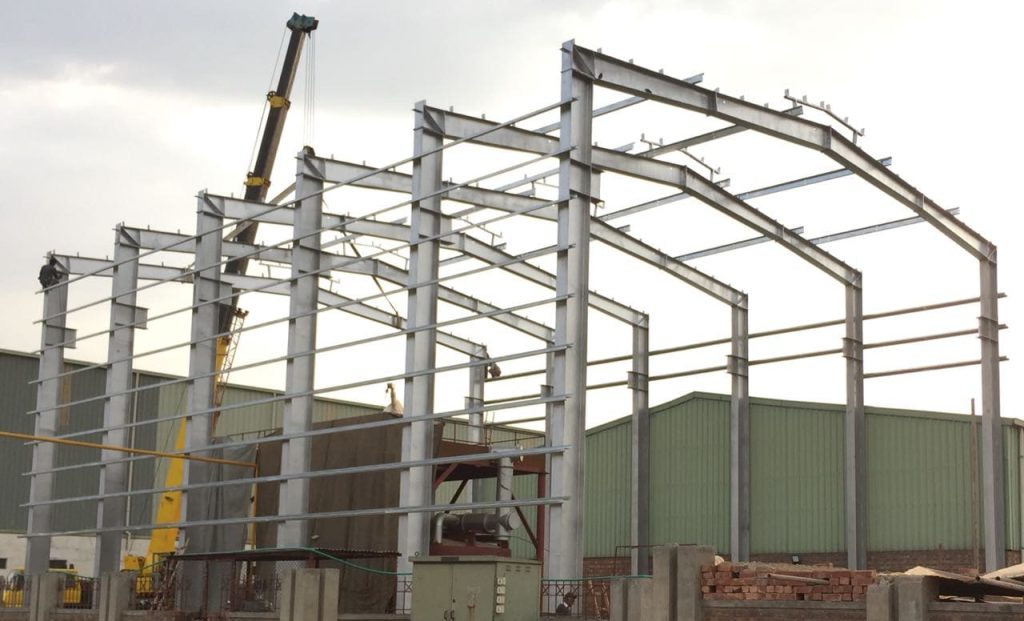
Pre Engineering Buildings Are Changing How Industrial Projects Get Built In Pakistan
A plant manager I once spoke with in Sheikhupura told me his old warehouse took almost fourteen months from groundbreaking to first shipment out the door. His new one, built the steel frame way, was running production in under five months. Same size roughly, same purpose. The only real difference was how the structure got built. That’s basically the whole pitch behind Pre Engineering Buildings, and it’s why you’re seeing more of them go up around Lahore, Faisalabad, and pretty much every industrial belt in the country right now.
Old style construction here still mostly means bricks, columns poured on site, weeks of curing before anyone can even start on the roof. Nothing moves until the step before it finishes. Steel Building Structures don’t work that way. The frame gets fabricated somewhere else entirely while your foundation crew is still pouring concrete, so once the ground work’s done, there’s already a stack of steel sitting in a yard ready to go up. It sounds like a small logistical shift. In practice it cuts months off a timeline.
So What Actually Counts As Pre Engineered
People throw the term around without really knowing what it means half the time. A properly pre engineered building uses tapered I sections, steel that’s thicker where the load demands it and thinner where it doesn’t, instead of the uniform beams you’d get from standard structural steel. Regular hot rolled sections stay the same thickness top to bottom whether that material is actually doing anything useful at a given point or just adding dead weight.
That tapering is where a lot of the cost savings actually come from, not from cutting corners on quality. Less unnecessary steel, roof and wall panels roll formed to exact spec for the site, and you end up with something built for the actual load and span it needs to handle rather than a generic template stretched to fit.
Why This Fits Pakistan Better Than People Assume
There’s a reason this method suits the local situation particularly well. Summers in Punjab regularly push past 45 degrees, and monsoon season dumps rain fast enough to overwhelm roofing that wasn’t designed with real drainage numbers in mind. Good Steel Structures In Pakistan built through this process account for that upfront, roof pitch and gutter sizing calculated off actual rainfall data for the region instead of some default spec sheet from a catalog.
Speed matters just as much, maybe more. A textile exporter who just landed a big order isn’t going to sit around for a year and a half waiting on a shed. A fertilizer company trying to expand while pricing is favorable needs that capacity online in months. Cutting build time roughly in half compared to conventional construction isn’t a nice bonus here, it’s often the difference between catching a window of demand and missing it entirely.
The Cost Argument People Get Wrong
Most factory owners assume steel costs more than brick and block from the start. Sometimes, for a really small shed, that’s true. But past a certain size the math flips. Less wasted material from optimized sections, a shorter build meaning less labor and site supervision cost, foundations that need less excavation than an equivalent masonry structure — it adds up faster than people expect.
What barely ever comes up in these conversations is what happens after the building’s finished. Steel holds up better under vibration and chemical exposure than brick does, and in a working factory with machinery running constantly, that’s not a small thing. Masonry walls crack under sustained vibration in a way a properly engineered steel frame just doesn’t.
Certification Isn’t Optional, Even If It Feels Like Paperwork
Here’s something worth being blunt about. Not every fabricator putting up steel sheds in this country is actually following recognized standards, and that gap matters more than most buyers realize until something goes wrong. Welding quality, material grade, load calculations — all of it should be checkable against standards like ASME, API, AWS, or ASTM depending on what you’re building. A pressure vessel and a warehouse roof have completely different requirements, and any fabricator working across both types of projects needs certifications that actually hold up, not just a claim printed on their homepage.
This becomes non negotiable in sectors like oil and gas, petrochemical, or power generation, where a structural failure isn’t just an expensive headache, it’s genuinely dangerous. If a contractor hesitates when you ask which certifications cover their welding process, that hesitation tells you something.
One Team Or Five Different Contractors
Something else worth checking before signing anything: does the same company handle design, fabrication, and erection, or are you juggling three or four separate vendors who barely talk to each other? When one team runs the whole thing start to finish, a mid project design change moves fast because the people drawing it up are the same people cutting the steel.
Split that across separate firms and you’ll lose real time to nothing but miscommunication — the design office says one thing, the fabrication shop builds something slightly different, and somebody has to catch that gap before it becomes expensive.
Where This Is Headed
Pakistan’s textile, cement, and fertilizer sectors keep expanding, and export demand tied to regional trade isn’t slowing down anytime soon. As that pressure builds, companies that actually understand what a construction delay costs them are going to keep leaning toward Pre Engineering Buildings as the default, not the alternative option.
Picking the right partner for Steel Building Structures really comes down to a handful of things that matter more than price on a quote sheet: real experience, certifications you can actually verify, and a team that owns the whole project instead of pointing fingers between subcontractors when something slips. Get that part right before signing, and you’ll notice the difference between a project that finishes when it’s supposed to and one that quietly drags on three months past deadline.

Leave a Comment